

Comprehensive Year-Round Tax Planning Strategies for Salaried Employees A Detailed 12-Month Approach to Optimize Tax Benefits

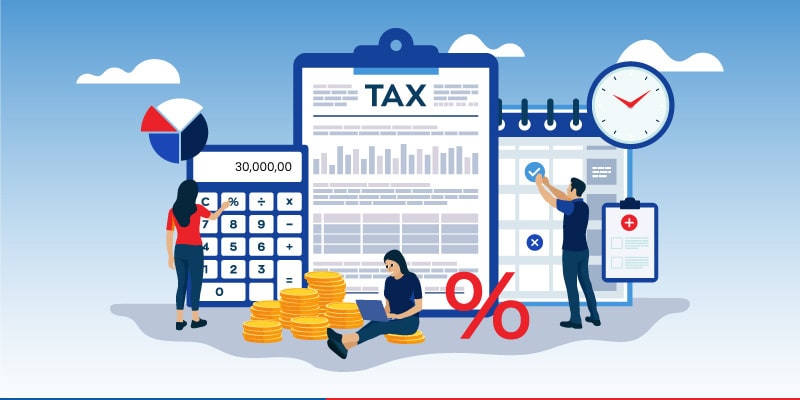
Every individual’s personal finance strategy hinges on three key components: life and health insurance, home ownership and associated loans, and wealth accumulation. Each of these elements has tax implications that can significantly affect financial outcomes. Thoughtful decision-making in these areas can lead to substantial savings, making year-round tax planning essential rather than a last-minute rush.
Start with an Estimate, in April
Effective tax planning begins with an early estimate of potential liabilities. At the start of the financial year, individuals should calculate their expected salary, additional income sources such as interest or rent, and anticipated deductions. This exercise provides a clear picture of likely tax obligations for the year. Without this estimate, individuals risk making uninformed financial decisions that could lead to unexpected tax liabilities.
An early estimate also clarifies the scale of financial decisions ahead. For those with minimal tax obligations, little action may be necessary. Conversely, individuals facing larger liabilities can gauge the importance of proactive planning and adjust their strategies accordingly.
Choose the Regime Deliberately, Not by Habit
Selecting the appropriate tax regime is a critical decision. The new tax regime, now the default, offers lower rates but eliminates most deductions. In contrast, the old regime maintains higher rates while allowing various deductions, including house rent allowance and health insurance.
To determine the best option, individuals should conduct a break-even analysis. For example, a salaried employee earning around Rs 20 lakh annually would need approximately Rs 7 lakh in deductions for the old regime to be more beneficial. If deductions fall short, the new regime may be simpler and more cost-effective. Many employees, especially those without significant deductions, may find the new regime advantageous. This decision should be made at the beginning of the year to ensure accurate monthly tax deductions.
Align Your TDS with Reality
Employers deduct tax monthly based on the declared tax regime and investments. Early declarations help maintain accurate monthly deductions and stabilize take-home pay. However, individuals must actively monitor income sources not visible to employers, such as freelance earnings or capital gains.
If tax on these additional incomes is expected to exceed Rs 10,000 for the year, advance tax must be paid in installments throughout the year. Keeping track of these payments helps avoid last-minute financial strain and potential penalties.
Spread Your Deductions Across the Year
Year-round tax planning involves distributing deductions over the entire year rather than concentrating them in March. Under Section 80C, individuals can claim up to Rs 1.5 lakh in deductions. Regular contributions, such as monthly SIPs into equity-linked savings schemes or provident funds, can help manage cash flow and average investment costs.
Health insurance premiums, which can also be deducted under Section 80D, should be paid as they come due. Additionally, contributions to the National Pension System offer further deductions. Keeping rent receipts and landlord information organized throughout the year simplifies the process and ensures that financial decisions are made for sound reasons rather than to meet deadlines.
Review at the Midpoint
Financial plans can shift due to various factors, including bonuses or changes in employment. Conducting a mid-year review around September or October allows individuals to adjust their declared investments, address any shortfalls, and revise advance tax estimates while there is still time to make necessary changes.
Do’s and Don’ts for Regime Selection
Individuals should evaluate both tax regimes based on their actual financial situations before making a decision at the start of the year. Early declarations to employers and maintaining thorough documentation throughout the year are crucial. It is also important to revisit the chosen regime if income changes.
Avoid locking funds in investments solely for tax benefits, and do not rely on default selections without proper evaluation. Waiting until March can lead to rushed decisions and costly mistakes. Additionally, individuals should not overlook income outside of their salary, as it may trigger advance tax obligations.
Observer Voice is the one stop site for National, International news, Sports, Editor’s Choice, Art/culture contents, Quotes and much more. We also cover historical contents. Historical contents includes World History, Indian History, and what happened today. The website also covers Entertainment across the India and World.
Follow Us on Twitter, Instagram, Facebook, & LinkedIn

