

China and Canada Reach Tariff Relief Agreement Following Tense Diplomatic Talks

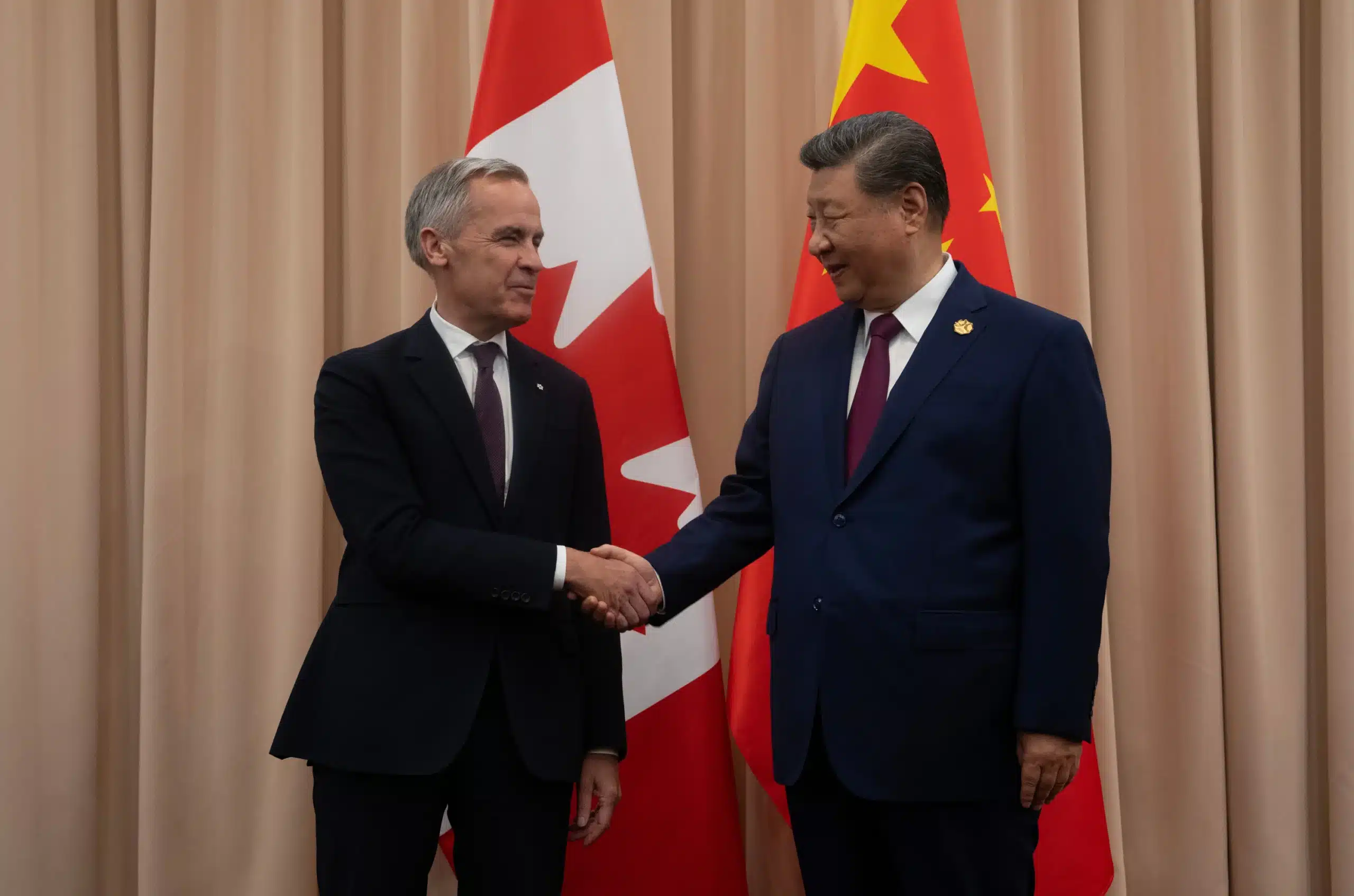
Chinese leader Xi Jinping and Canadian Prime Minister Mark Carney have announced a significant reduction in tariffs, marking a pivotal moment in the relationship between their two countries. Following a key meeting in Beijing, it was revealed that China will lower tariffs on Canadian canola oil from 85% to 15% by March 1. In return, Canada will impose a 6.1% tax on Chinese electric vehicles. This agreement comes after years of strained relations and is seen as a crucial step towards rebuilding ties. Carney’s visit is notable as he is the first Canadian leader to travel to China in nearly a decade, reflecting Canada’s efforts to diversify its trade relationships beyond the United States.
A Trade Reset
The recent tariff reductions signify a potential reset in trade relations between Canada and China. In 2024, Canada had imposed a 100% tariff on Chinese electric vehicles, mirroring similar actions taken by the United States. In retaliation, China had placed tariffs on over $2 billion worth of Canadian agricultural products, including canola seed and oil. This tit-for-tat exchange resulted in a 10% decline in Chinese imports of Canadian goods in 2025. Despite these challenges, China remains Canada’s second-largest trading partner, with bilateral trade exceeding C$118 billion in 2024. Carney emphasized the importance of strengthening economic ties with China, aiming to create a more competitive and independent Canadian economy amid global trade disruptions. During his visit, he engaged with senior executives from major Chinese companies and signed several agreements focused on energy and trade cooperation, signaling a more pragmatic approach to their relationship.
A Frosty History
The backdrop of Carney’s visit is a history marked by tension and diplomatic strain. The last Canadian Prime Minister to visit China was Justin Trudeau in 2017, prior to a significant downturn in relations following the arrest of Huawei’s CFO, Meng Wanzhou, in Canada at the request of the U.S. This incident led to the detention of two Canadian citizens, Michael Kovrig and Michael Spavor, on espionage charges, which many viewed as retaliation. Both Meng and the two Canadians were released in 2021, but the scars of that diplomatic crisis linger. Ahead of the recent meeting, Kovrig expressed the need for Carney to approach the discussions with caution and to advocate for the rights of Canadians imprisoned in China. Carney acknowledged the complexities of engaging with a country that has different values, emphasizing the importance of direct and disciplined conversations to navigate their differences.
Looking Ahead
As the global landscape shifts, Carney’s visit to China is seen as a potential model for other nations grappling with the impact of U.S. tariffs. Xi Jinping has been promoting China as a stable global partner, advocating for more pragmatic international relations. Recent visits from leaders of South Korea and Ireland, along with anticipated visits from the UK Prime Minister and German Chancellor, suggest a growing trend of engagement with China. Carney noted that the world has changed dramatically and that Canada’s positioning will significantly influence its future. He described the partnership with China as a foundation for a “new world order,” highlighting the need for a multilateral system that has been under strain. As both nations seek to stabilize and enhance their relationship, the outcomes of this meeting could have lasting implications for international trade dynamics.
Observer Voice is the one stop site for National, International news, Sports, Editor’s Choice, Art/culture contents, Quotes and much more. We also cover historical contents. Historical contents includes World History, Indian History, and what happened today. The website also covers Entertainment across the India and World.

