Psychology
-

Why 7 Great Things Feel Better Than 10 Good Things: The Less-Is-Better Paradox
Priya’s sixteenth birthday brought two gifts from her close friends. Her best friend Meera gave her a beautifully wrapped set…
Read More » -
When Your Only Tool Is a Hammer, Everything Looks Like a Nail: Breaking Free From One-Solution Thinking
Mr. Kapoor had taught mathematics for twenty years using the same method: strict discipline and punishment for mistakes. Students who…
Read More » -
Why We Can’t Walk Away From Bad Decisions: The Sunk Cost Trap
Seventeen-year-old Rohan sat in the movie theater, checking his watch for the tenth time. The film was terrible—boring plot, bad…
Read More » -
Why That Phone Won’t Make You As Happy As You Think: Understanding Impact Bias
Fifteen-year-old Aditya had wanted a Royal Enfield motorcycle for as long as he could remember. He spent months convincing his…
Read More » -
Why Repeated Lies Start Sounding Like Truth: The Illusory Truth Effect
It started as a careless comment in the school cafeteria. Someone joked that the upcoming school trip had been cancelled.…
Read More » -
Why We See Patterns That Don’t Exist: The Dangerous Trap of Illusory Correlation
Dr. Sharma had worked in the emergency department of a Mumbai hospital for fifteen years. One night during a particularly…
Read More » -
Why More Information Doesn’t Always Mean Better Decisions: The Illusion of Validity
Sixteen-year-old Meera visited a fortune teller at a local fair with her friends. The woman asked question after question: “What’s…
Read More » -
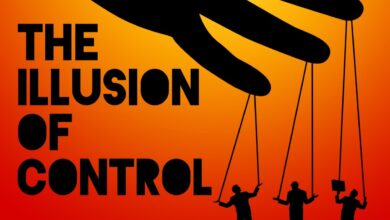
Why Lucky Charms Don’t Work (But We Carry Them Anyway): The Illusion of Control
Rohan had worn the same pair of blue socks to every important exam since Class 9. It started by accident—he…
Read More » -
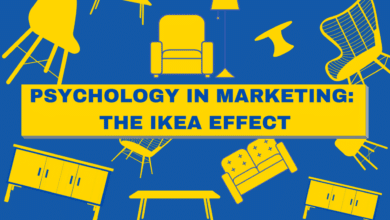
Why Your Crooked Bookshelf Feels Like a Masterpiece: The IKEA Effect Explained
Seventeen-year-old Aditya spent an entire Saturday afternoon assembling a study table he’d bought from a popular furniture store. The instructions…
Read More » -
Why One Face Moves Us More Than a Thousand Statistics: The Identifiable Victim Effect
In 2006, all of India stopped to watch the rescue of a five-year-old girl named Prince who had fallen into…
Read More » -
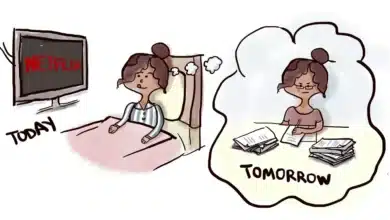
Why We Choose Candy Today Over Success Tomorrow: The Psychology of Hyperbolic Discounting
In a village near Varanasi, there lived a farmer named Mohan who owned fertile land but struggled with poverty. Every…
Read More » -
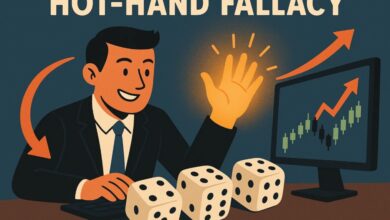
Why Winning Streaks Don’t Predict the Next Win: The Hot-Hand Fallacy Explained
The Basketball Player Who Couldn’t Miss—Until He Could The crowd at the school basketball tournament was going wild. Arjun had…
Read More » -
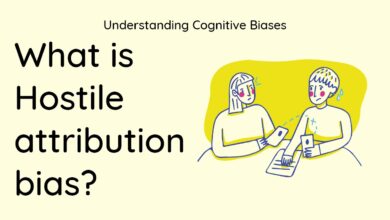
Why We Think Everyone’s Out to Get Us: Understanding Hostile Attribution Bias
Fifteen-year-old Rahul was walking through the crowded school corridor when someone bumped into him from behind, causing him to drop…
Read More » -
Why Everything Seems Obvious After It Happens: The “I Knew It All Along” Trap
It was the 2019 Cricket World Cup semi-final between India and New Zealand. Before the match, the entire nation was…
Read More » -
Why We’re Wrong About Being Wrong: The Strange Hard-Easy Effect
It was the day before the final mathematics exam at a prestigious school in Bangalore. Mrs. Desai, the teacher, conducted…
Read More »