

JPMorgan Reports Companies Exercising Caution on Leverage

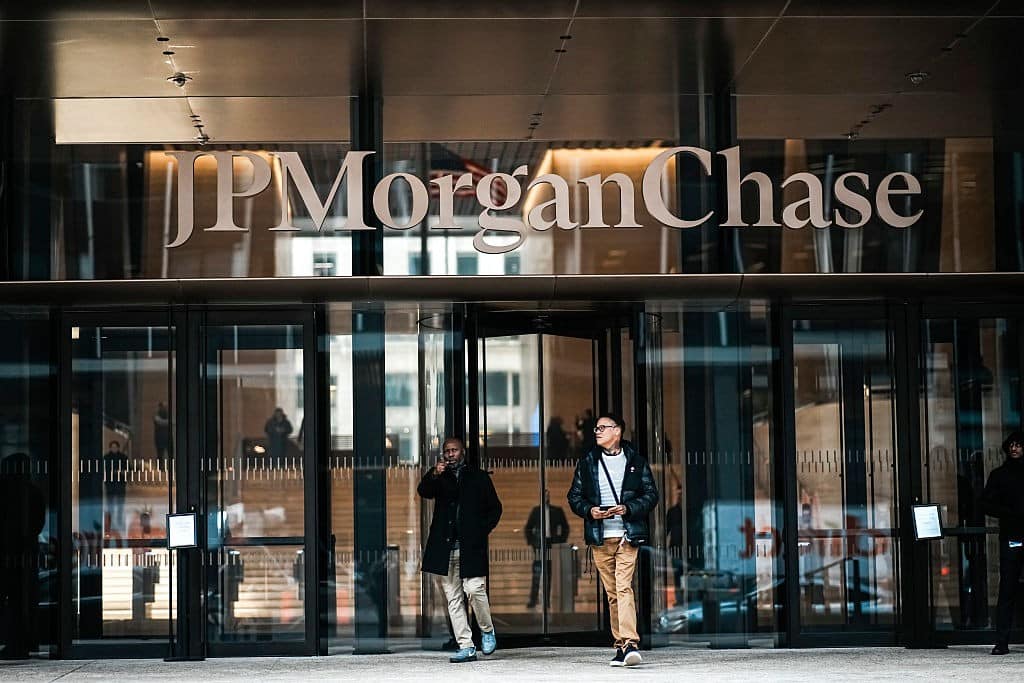
JPMorgan is expanding its corporate-banking operations in India, financing nearly half of its investment-banking deals in the country. In a recent interview, Pranav Chawda, CEO of JPMorgan Chase Bank India, highlighted how improved corporate balance sheets and more sophisticated borrowers are influencing financing decisions.
Corporate Earnings and Valuations
Chawda stated that corporate earnings are justifying the recent market rally. Companies have reported strong results over the past two quarters, despite challenges in logistics, raw materials, and foreign exchange costs. He noted that valuations have become reasonable as price-to-earnings multiples have eased, and these multiples should be viewed in the context of India’s ongoing growth story and corporates’ resilience.
Corporate Financing Choices
Indian corporates are exercising caution regarding leverage, opting for internal cash flows to fund modest capital expenditures amid strong earnings. They are selectively borrowing for transformative deals and large outbound acquisitions, often planning subsequent qualified institutional placements or equity raises to reduce debt. Companies that borrowed in the past 12-18 months are leveraging elevated share prices to deleverage. While capital-market fundraising, especially IPOs, is expected to remain robust, the patterns of debt-equity funding will differ by sector and financial sponsors’ exit timelines.
Currency Stability
The Indian rupee is showing early signs of stabilization, aided by measures from the Reserve Bank of India (RBI) that have narrowed the demand-supply gap by removing oil payments from the market. Importers have reduced hedges, and exporters are reassessing theirs, indicating a shift in behavior. However, recent improvements are not yet sufficient to establish a lasting trend, as softer tensions in West Asia and lower oil prices have also contributed to the rupee’s stability.
External Commercial Borrowing Demand
The increase in external commercial borrowing (ECB) volumes is primarily due to banks utilizing the RBI’s window for subsidized forex hedging, rather than a significant rise in corporate capital expenditure funding. Corporates still find rupee loans more cost-effective, as fully hedged ECBs remain 50-150 basis points more expensive. Demand for ECB is focused on specific needs such as acquisitions and inter-group funding. Most eligible borrowers have already accessed the RBI window, limiting any last-minute rush before its end-October expiry.
Foreign Portfolio Flows
The sustainability of foreign institutional investor (FII) inflows depends on the ability to channel index-linked and other long-term foreign capital into domestic assets. Recent inflows, driven by investors hedging the AI trade, remain uncertain and are contingent on global AI investment trends and regulatory safeguards. Key indicators include whether announced AI capital expenditures translate into actual investments and whether projects ramp up as planned.
Innovations in Corporate Financing
JPMorgan is focusing on customizing funding solutions to meet each client’s specific needs. Chawda explained that while an ECB might initially seem appropriate, alternatives such as dollar loans, offshore borrowing, or GIFT City structures may be more suitable as deals evolve. The bank also offers services like commodity and currency hedging, trade loans, and export credit agency financing.
Observer Voice is the one stop site for National, International news, Sports, Editor’s Choice, Art/culture contents, Quotes and much more. We also cover historical contents. Historical contents includes World History, Indian History, and what happened today. The website also covers Entertainment across the India and World.

