

Nitin Gadkari Highlights FASTag’s Impact on Toll Revenue, Projecting Significant Gains from Full Rollout by 2027

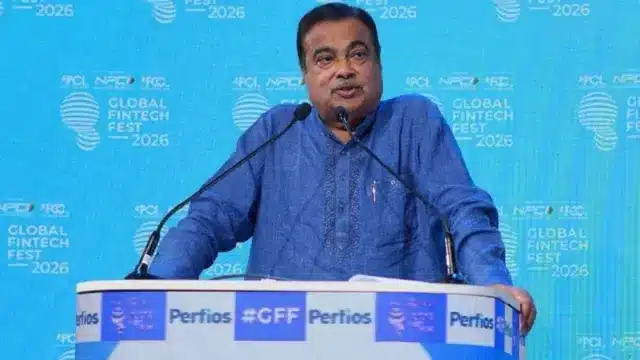
Soon, travelers in India will experience barrier-free travel as the government plans to fully implement the FASTag electronic toll collection system. Union Minister Nitin Gadkari announced that this initiative could generate annual benefits of up to Rs 25,000 crore for the government. The goal is to make all toll booths on national highways barrier-free by March 2027.
FASTag Adoption Boosts Revenue
Gadkari highlighted that the adoption of FASTag has already increased toll collections by 10%, amounting to approximately Rs 7,000 crore. This has raised total toll booth revenue to over Rs 82,000 crore. He emphasized that the future of India’s mobility infrastructure will rely on intelligent highways and technology-driven financing. By integrating physical infrastructure with digital payments and data, transportation networks can become more efficient and transparent.
The minister made these remarks during the launch of OneTag, a new FASTag portability feature in Mumbai. This facility allows vehicle owners to link their existing FASTag to a new bank account through the Rajmarg Yatra app. Gadkari noted that this launch reflects India’s commitment to innovation and customer-focused digital infrastructure.
Barrier-Free Tolling System
The government is advancing towards a barrier-free toll collection system by combining FASTag with automatic number plate recognition (ANPR). Multi-lane free-flow (MLFF) tolling was introduced at a Mumbai toll plaza on May 11, 2026, as part of the initiative to transition the highway network to barrier-free tolling within a year. Gadkari stated that technology-based toll collection has already led to economic and environmental benefits by reducing waiting times and fuel consumption.
Currently, vehicles spend about 12 minutes waiting at toll plazas. The minister aims to further decrease these stoppage times through digital systems. The ongoing pilot of the barrier-free tolling system is expected to generate an additional 10%, translating to Rs 7,000-8,000 crore. Operational costs for toll booths have also significantly decreased, dropping to 2-3% from the previous 12%. Gadkari projected that over 70% of toll booths would be barrier-free by the end of December this year, with full coverage expected by March next year.
Motorists will benefit from shorter waiting times and reduced chances of delays at toll plazas. Gadkari cited studies estimating annual fuel savings exceeding Rs 5,250 crore due to the new system. He also called on the industry to develop technology for detecting truck overloading, addressing transparency issues in the freight sector.
Gadkari noted that FASTag penetration at National Highway toll plazas has surpassed 98%, with around 13 crore FASTags issued nationwide. He emphasized the potential for digitization to lower the costs of operating tolling infrastructure. The next phase will involve deeper integration of mobility-related data across FASTag, vehicles, insurance, and banking systems.
Observer Voice is the one stop site for National, International news, Sports, Editor’s Choice, Art/culture contents, Quotes and much more. We also cover historical contents. Historical contents includes World History, Indian History, and what happened today. The website also covers Entertainment across the India and World.

