

India Unveils Semicon 2.0 to Boost Semiconductor Ecosystem

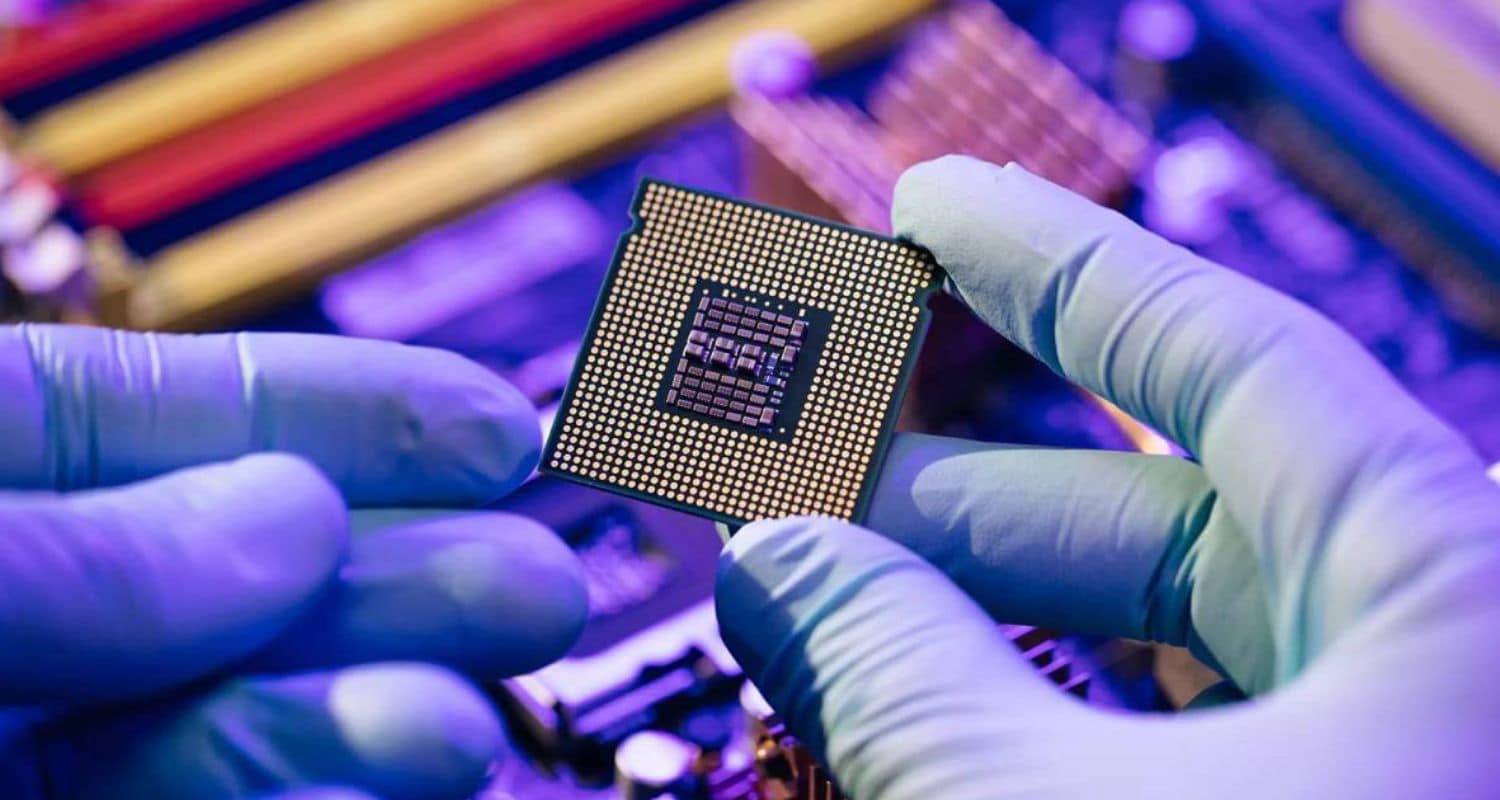
In a groundbreaking address today, Union Minister Ashwini Vaishnaw unveiled the Government of India’s ambitious Semicon 2.0 Scheme, aimed at transforming the nation’s semiconductor landscape. With the launch of this initiative, the government seeks to enhance India’s design and manufacturing abilities in the semiconductor sector, responding to the growing global demand for chips and technological advancements.
The Semicon 2.0 Scheme builds upon the momentum gained from the initial Semicon India Programme, providing robust fiscal and infrastructure backing throughout the entire semiconductor value chain. This includes support for chip design, fabrication, packaging, and a focus on essential areas such as equipment, materials, research and development, as well as talent cultivation.
Aims of the Scheme
Not just a step towards economic growth, the scheme is integral to strengthening India’s national security by enhancing semiconductor supply-chain resilience and positioning the country as a technological leader in critical sectors. The initiative revolves around six strategic pillars, each focusing on distinct facets of the semiconductor ecosystem.
The Six Pillars of Semicon 2.0
The pillars are as follows:
- Pillar 1 – Design: Focusing on the creation of semiconductors necessary for national priorities and commercial applications.
- Pillar 2 – Machines and Materials: Enhancing the semiconductor manufacturing ecosystem.
- Pillar 3 – Setting up more Fabs: Establishing advanced fabrication plants including silicon semiconductor wafer fabs.
- Pillar 4 – Strengthening ATMP/OSAT industry: Expanding semiconductor assembly, testing, marking, and packaging facilities.
- Pillar 5 – Research and Development: Driving R&D for cutting-edge semiconductor technologies.
- Pillar 6 – Talent Development: Fostering the next generation of skilled professionals in the semiconductor field.
During the announcement, Vaishnaw highlighted India’s rapid progress in semiconductor education, noting that the nation has already produced 85,000 semiconductor engineers within four years, far surpassing its initial ten-year target. He emphasized a new goal of training an additional 100,000 engineers to support the booming semiconductor industry, which is projected to capture nearly 10% of the global market in the coming years. Notably, students from Tier-II and Tier-III cities have already contributed to designing over 250 chips.
The initiative also promises substantial employment opportunities, with estimates suggesting the creation of between 50,000 to 60,000 direct jobs. Projects supported under Semicon 2.0 are expected to span up to six years, with an initial application window of three years.
Implementation and Future Vision
The India Semiconductor Mission (ISM) will serve as the central agency overseeing the Semicon 2.0 Scheme, managing applications, conducting technical evaluations, and ensuring effective implementation. Moreover, the Ministry of Electronics and Information Technology will allocate budgetary provisions for fiscal support, with periodic assessments set to review the scheme’s impact and potential modifications.
Observer Voice is the one stop site for National, International news, Sports, Editor’s Choice, Art/culture contents, Quotes and much more. We also cover historical contents. Historical contents includes World History, Indian History, and what happened today. The website also covers Entertainment across the India and World.

