

Is a Hybrid Solar Inverter Worth it for Long-term Energy Savings?

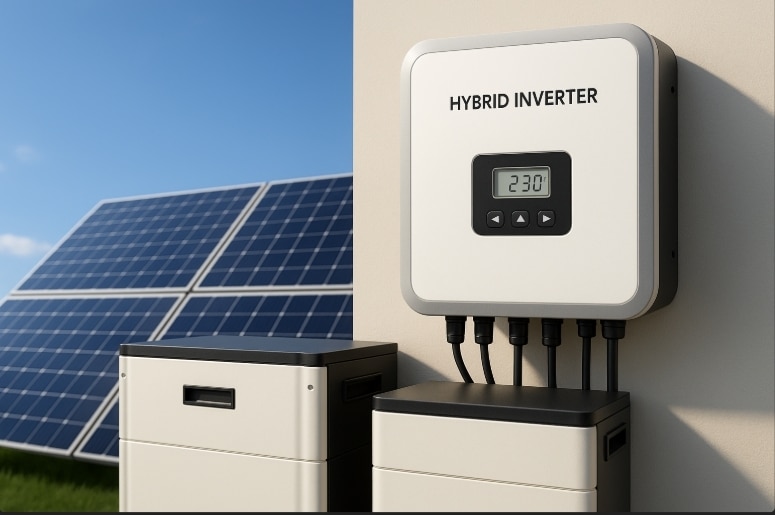
As solar adoption becomes more common across Indian homes, buyers are beginning to look beyond panels and subsidies to understand what actually shapes long-term performance. The focus is gradually shifting towards the system components that influence efficiency, reliability, and day-to-day energy use over many years.
In that context, the hybrid solar inverter has become an important part of the conversation. It sits at the centre of how a solar setup functions, yet its long-term value is not always easy to judge at first glance.
For homeowners weighing upfront cost against future savings, the decision involves more than just technical specifications. Let us take a closer look at what makes this choice worth evaluating.
What Should You Weigh Before Choosing a Hybrid Solar Inverter?
A hybrid solar inverter sits at the centre of a solar and battery storage system, and the right choice depends on your usage patterns, budget, and future plans. Here’s what actually matters when evaluating one.
1. How a Hybrid Solar Inverter Changes Your Energy Equation
A hybrid solar inverter does more than convert solar energy into usable electricity. Unlike a standard solar inverter, it can also manage battery storage within the same system. This allows excess solar energy generated during the day to be stored and used later when sunlight is unavailable.
As a result, households can rely less on grid electricity during evening hours, power outages, or periods when electricity tariffs are higher. By making stored solar power available when it matters most, a hybrid solar inverter can improve energy efficiency and reduce dependence on the grid. It can also support better long-term control over household electricity costs.
2. Battery Compatibility is Not a Minor Detail
Battery compatibility plays a significant role in the overall performance and reliability of a solar energy system. Different battery technologies, such as lithium-ion and lead-acid, require specific charging and management settings to operate efficiently.
If a hybrid solar inverter is not fully compatible with the chosen battery type, it may reduce storage efficiency, limit usable capacity, or affect long-term battery health. This can lead to higher maintenance costs and a shorter system lifespan.
Homeowners should check which battery technologies the inverter supports before installation. They should also consider future expansion plans so the system remains flexible and efficient as energy needs change.
3. Sizing the System to Your Actual Consumption
Choosing the right inverter size starts with understanding how much electricity your household actually uses. Many buyers focus only on solar panel capacity, but daily consumption patterns are equally important.
Energy use often changes throughout the day, especially during peak hours when multiple appliances operate at the same time. An inverter that is too small may struggle to meet demand and affect system performance.
On the other hand, an oversized inverter can increase installation costs without delivering meaningful benefits. Reviewing monthly electricity usage, peak consumption periods, and future energy needs helps create a system that is both efficient and cost-effective over the long term.
4. Grid Dependence Versus Backup Priorities
Some households want a hybrid solar inverter primarily to reduce their electricity bill, while others prioritise backup power during outages. These two goals call for different configurations, particularly around battery sizing and how the system prioritises charging versus discharging. Being clear about which goal matters more to you shapes the entire setup.
5. Long-term Maintenance and Component Lifespan
Inverters and batteries age at different rates, and a hybrid solar inverter often outlasts the battery it was first paired with. Understanding the expected lifespan of each component, along with warranty terms, helps you plan for replacement costs rather than being caught off guard a decade in. This is a detail that’s easy to overlook during the initial purchase decision.
6. Upfront Cost Versus Cumulative Savings
A hybrid solar inverter may cost more upfront than a standard grid-tied inverter, given the added battery management circuitry. Whether that premium pays off depends on your local tariff structure, how often outages occur in your area, and how long you intend to stay in the property.
Running these numbers before purchase gives a clearer sense of the payback period than relying on general assumptions.
Ready to Explore Your Hybrid Solar Inverter Options?
Deciding whether a hybrid solar inverter fits your home ultimately comes down to how your consumption patterns, backup needs, and budget align with the system’s capabilities. Energy solution providers like Eastman Power Limited can help households evaluate suitable solar and power backup options based on their specific requirements.
For homeowners, it’s also important to consider available government support when assessing overall cost. Eligible residential rooftop solar installations under the PM Surya Ghar Muft Bijli Yojana can receive a Central Subsidy of up to ₹78,000. In addition, several states offer State Subsidies or other incentives that may further reduce the overall installation cost, depending on local policies and eligibility criteria.
If you’re weighing a hybrid solar inverter as part of your next energy decision, review your electricity consumption, check both Central Subsidy and State Subsidy availability in your state, and explore suitable solutions before making a final decision..
Observer Voice is the one stop site for National, International news, Sports, Editor’s Choice, Art/culture contents, Quotes and much more. We also cover historical contents. Historical contents includes World History, Indian History, and what happened today. The website also covers Entertainment across the India and World.

