

Former South Korean President Yoon Sentenced to Five Years in Prison for Attempting to Impose Martial Law

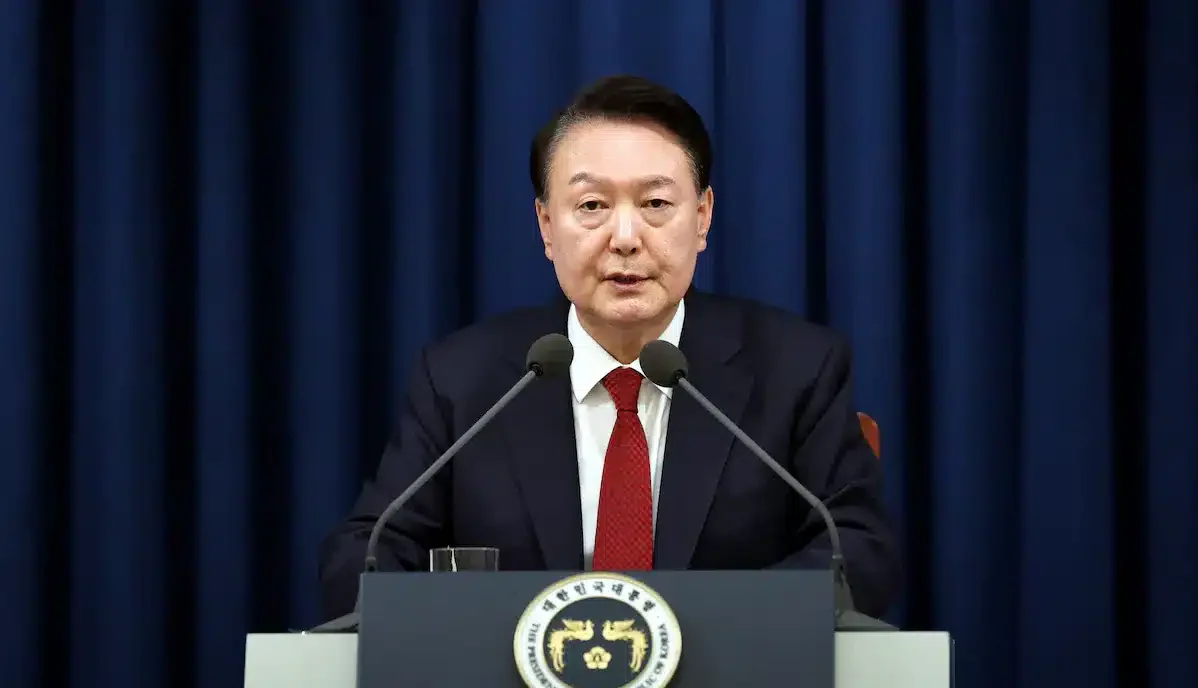
South Korea’s former president, Yoon Suk Yeol, has been sentenced to five years in prison for abuse of power, obstructing justice, and falsifying documents related to his controversial martial law attempt in 2024. This ruling marks the first verdict in a series of trials stemming from Yoon’s abrupt declaration of martial law, which ignited widespread protests and political upheaval. The judge emphasized Yoon’s lack of remorse and the significant political crisis his actions caused in the country. As Yoon faces additional charges, including the most serious accusation of insurrection, the implications of this ruling could shape the outcomes of his remaining trials.
Details of the Verdict
On Friday, Yoon was found guilty of several serious offenses, including using presidential bodyguards to thwart his arrest and failing to consult his entire cabinet before declaring martial law. He was also convicted of drafting and subsequently destroying a falsified document that falsely claimed endorsement from key government officials. The judge noted that Yoon had a duty to uphold the constitution but instead chose to disregard it, leading to a significant political crisis. Prosecutors had initially sought a ten-year sentence, but the court ultimately imposed a five-year term. Both the prosecution and Yoon’s defense have one week to file an appeal against the ruling.
Public Reaction and Support
Outside the courthouse, approximately 100 supporters gathered to witness the proceedings, displaying banners that read, “Yoon, again! Make Korea great again.” The atmosphere was charged, with some supporters shouting at the judge during the announcement of the verdict. This public display highlights the deep divisions within South Korean society regarding Yoon’s actions and the subsequent legal proceedings. Despite the guilty verdict, a significant portion of the population still views Yoon as a martyr, with surveys indicating that nearly 30% of South Koreans do not believe his martial law declaration constituted insurrection.
Ongoing Legal Challenges
Yoon’s legal troubles are far from over, as he faces multiple charges in connection with his martial law attempt. The most severe charge is insurrection, for which prosecutors have requested the death penalty. The verdict for this trial is anticipated in February. Yoon has consistently denied all charges, arguing that the arrest warrant was invalid and that he was not legally obligated to consult every cabinet member before exercising emergency powers. His defense claims that the accusations against him lack a legal basis, asserting that he acted within his rights during the martial law declaration.
Political Implications
The fallout from Yoon’s martial law attempt has had lasting effects on South Korean politics. Just six months after the controversial declaration, opposition leader Lee Jae Myung won a decisive electoral victory. Yoon’s trials have reignited discussions about the political landscape in South Korea, revealing stark divisions among the populace. While tens of thousands protested against Yoon’s actions, his supporters have also mobilized, albeit in smaller numbers, to demonstrate their loyalty. The ongoing trials and public sentiment surrounding Yoon’s presidency underscore the complexities of South Korea’s political environment and the challenges ahead for its leaders.
Observer Voice is the one stop site for National, International news, Sports, Editor’s Choice, Art/culture contents, Quotes and much more. We also cover historical contents. Historical contents includes World History, Indian History, and what happened today. The website also covers Entertainment across the India and World.
Follow Us on Twitter, Instagram, Facebook, & LinkedIn

