

Understanding China’s Dominance in Rare Earths and Its Implications for the US

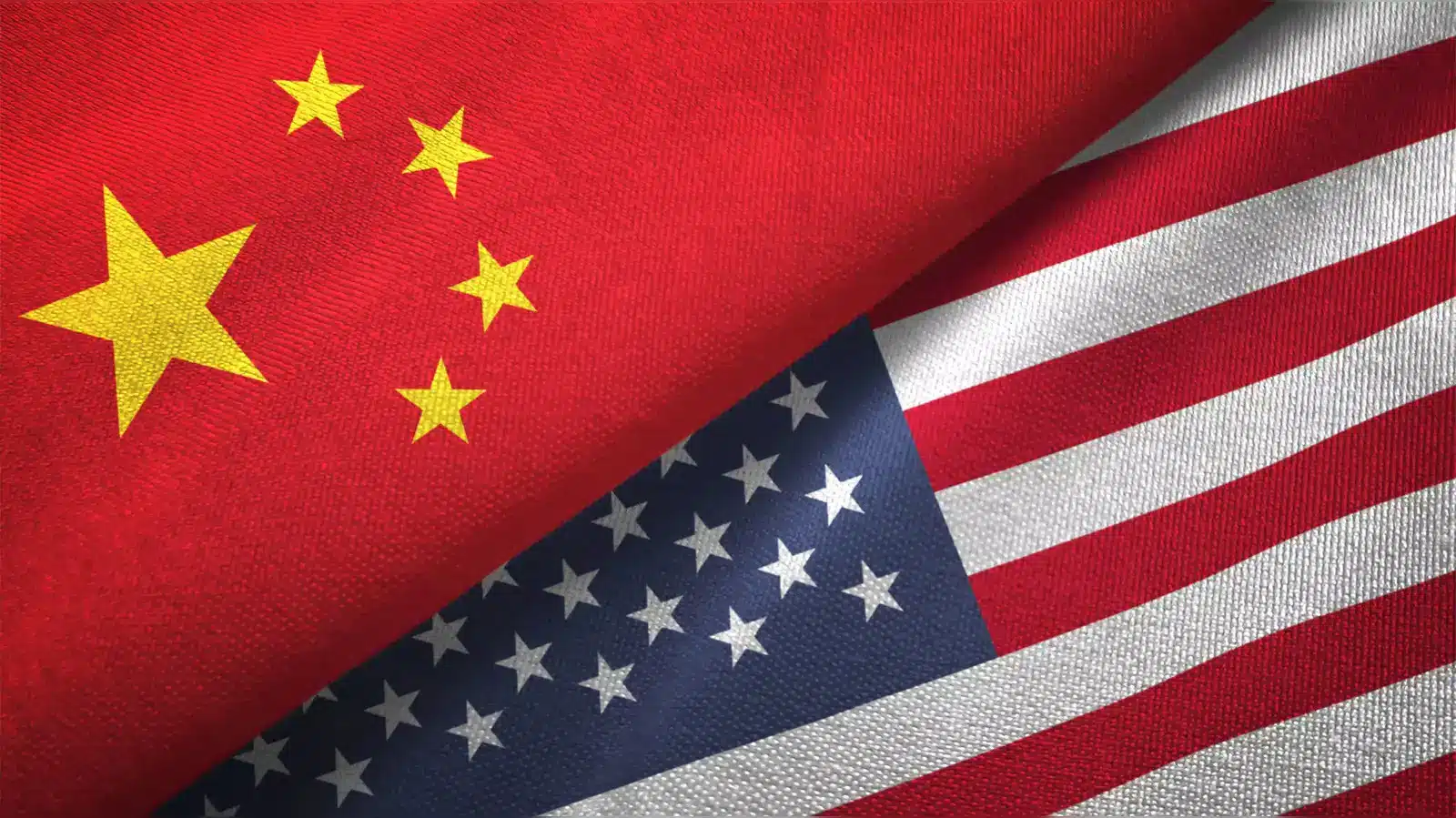
China’s dominance in the rare earth elements market has been built over decades, positioning the country as a key player in global trade disputes, particularly with the United States. These 17 critical minerals are vital for various industries, including defense, technology, and automotive sectors. Recent developments in China’s rare earth production and export policies have raised alarms in Washington, prompting a reevaluation of supply chains and international partnerships.
China’s Rare Earth Hub: Ganzhou
Ganzhou, a city in China, is at the heart of the country’s rare earth production. Recent visits by reporters from AFP revealed a bustling environment, with trucks frequently transporting materials to and from mines and processing facilities. The region specializes in heavy rare earth elements like yttrium and terbium, which are essential for advanced technologies. The construction of new headquarters for the China Rare Earth Group, a major state-owned enterprise, underscores the government’s commitment to consolidating its position in this critical sector.
Economics lecturer Heron Lim noted that recent disruptions in the global supply chain have prompted other nations to consider boosting their own rare earth production capabilities. He emphasized that these efforts could yield significant long-term benefits, as countries seek to reduce their dependence on Chinese exports. The ongoing activity in Ganzhou reflects China’s strategic investment in rare earths, which has been a focal point of its economic policy for years.
Trade Tensions and Export Restrictions
In early October, China announced export restrictions on rare earth elements, a move that sent shockwaves through global manufacturing sectors and heightened tensions with the United States. This development comes amid a renewed trade conflict between Washington and Beijing, particularly during President Donald Trump’s administration. Following discussions in South Korea, Trump and Chinese President Xi Jinping reached a temporary agreement to secure supplies of rare earths for one year, a situation perceived as advantageous for China.
Lim pointed out that rare earths are likely to remain a central issue in future negotiations between the two nations. China’s willingness to leverage its trade capabilities has created uncertainty for industries reliant on these essential minerals. Historically, the United States was a leader in rare earth production, particularly during the Cold War, but has since seen its dominance wane as production shifted overseas due to environmental concerns and improved relations with other countries.
Efforts by the United States and Allies
In response to China’s growing influence, the United States has been actively working to restore its rare earth production capabilities. Defense agencies have committed significant resources to establish a comprehensive “mine-to-magnet” supply chain by 2027. Additionally, Washington has forged critical minerals agreements with several allies, including Australia, Japan, Malaysia, and Thailand, to diversify its sources of rare earth elements.
Recently, President Trump announced an $8.5 billion partnership with Australian Prime Minister Anthony Albanese aimed at bolstering rare earth production. This urgency is not a new phenomenon; a similar situation arose in 2010 when China temporarily halted rare earth shipments to Japan during a territorial dispute, highlighting the geopolitical stakes involved. Despite efforts over the past 15 years to strengthen U.S. resilience in this sector, China continues to dominate global rare earth production and processing.
The ongoing developments in the rare earth market underscore the critical need for nations to secure their mineral supply chains and reduce reliance on a single dominant player. As the global demand for these essential elements grows, the competition for control over rare earth resources is likely to intensify.
Observer Voice is the one stop site for National, International news, Sports, Editor’s Choice, Art/culture contents, Quotes and much more. We also cover historical contents. Historical contents includes World History, Indian History, and what happened today. The website also covers Entertainment across the India and World.

